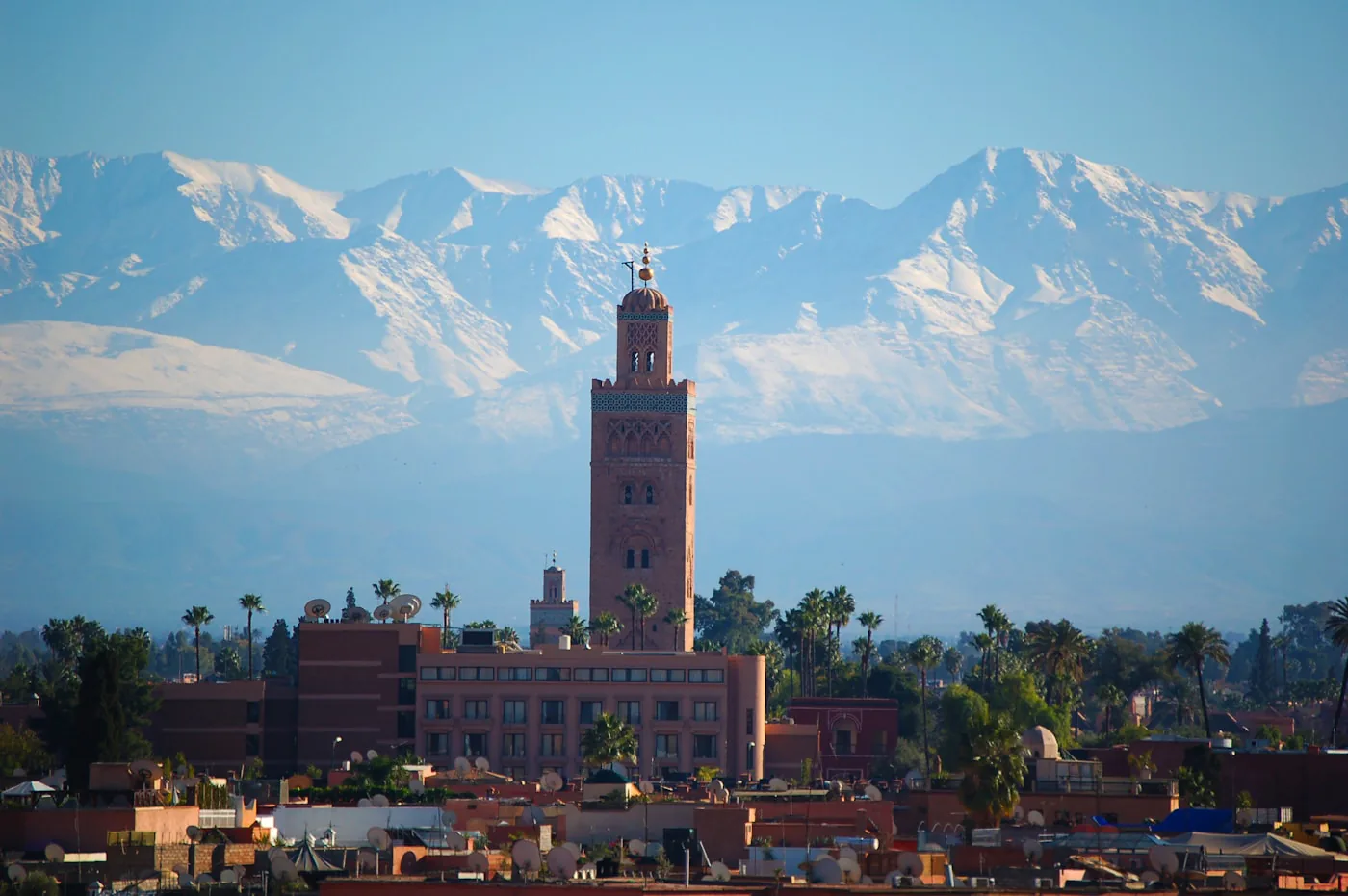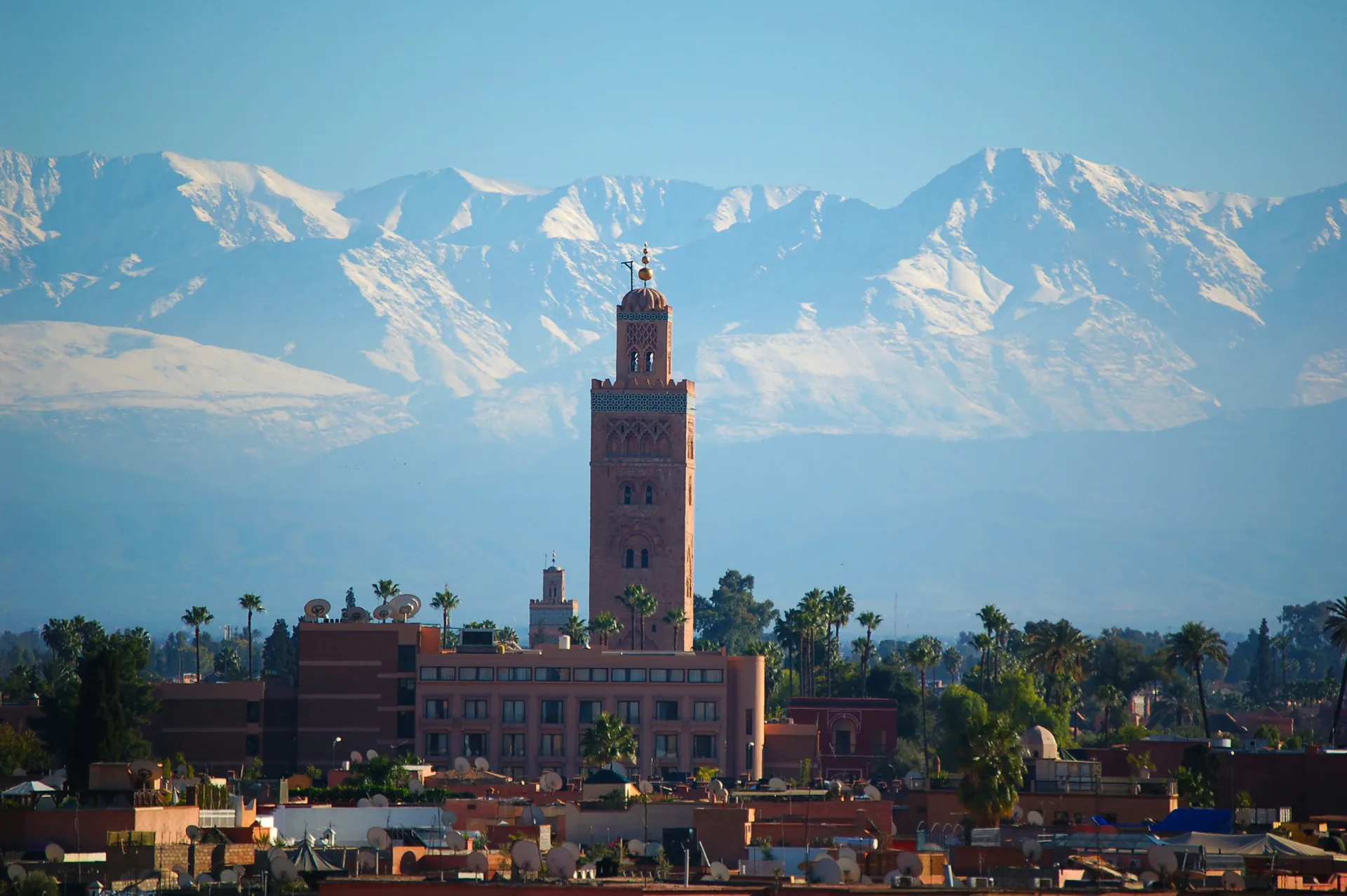
A private Ourika Valley day trip from Marrakech runs 7 hours (typically 09:00–16:00) for €45/pp, including private vehicle, hotel/riad pickup, local Setti Fatma waterfall guide, and riverside Berber lunch. Expect a scenic 1h15 drive into the High Atlas foothills, cooler mountain air year-round, and pay-on-the-day booking with free cancellation up to the exact day.
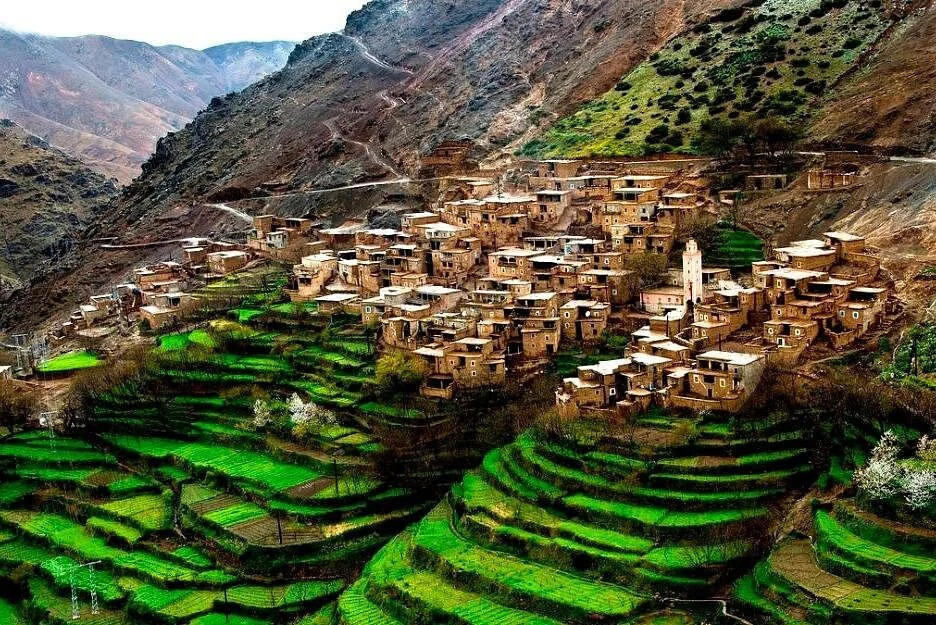
Roughly 60 kilometres south of Marrakech, the Haouz plain tilts sharply upwards into the foothills of the High Atlas. Within forty minutes of leaving the city’s pink ramparts, scooter horns fade into walnut groves, terracotta hill villages, and the rush of snowmelt pouring down the Ourika River.
Why Ourika remains Marrakech’s smartest mountain day out
Many mountain excursions around North Africa demand three hours on winding roads before you even step out of the car. Ourika is different: the valley begins climbing almost immediately past the outer olive plains, so every kilometre feels rewarding. You gain enough elevation—reaching roughly 1,500 metres at Setti Fatma—to feel clean mountain air and witness traditional Amazigh rural life, yet you are never subject to altitude fatigue or marathon driving.
Travelling privately (€45/pp for the full 7-hour loop) completely transforms the valley. Shared budget minibuses herd twenty strangers through rushed commission stops and arrive at Setti Fatma in one noisy wave around noon. In a private vehicle, you depart on your own clock, linger where curiosity strikes, skip shops that do not interest you, and dine at a family-run riverside terrace rather than a crowded buffet hall.
Hour-by-hour rhythm of a private Ourika Valley day
While every private itinerary adapts to your pace, the schedule below reflects the natural flow that avoids traffic bottlenecks and catches the cleanest morning light across the red-earth peaks.
| Time | Stage | What actually happens on the ground |
|---|---|---|
| 09:00 | Marrakech pickup | Private driver collects you from your hotel or nearest accessible medina gate; smooth exit south along the N9/R203 corridor. |
| 09:45 | Foothills & souk stop | Photo pause overlooking red-clay Berber villages; brief walk through a traditional roadside market (Tuesdays in Tahanaout, Mondays in Tnine Ourika). |
| 10:30 | Women’s argan cooperative | Watch traditional stone-milling of argan kernels, taste fresh amlou (almond-argan dip) with warm bread and mint tea—zero sales pressure. |
| 11:30 | Arrival in Setti Fatma | Meet your local valley guide; walk across wooden footbridges and climb the rocky trail to the first main waterfall (45–60 min round trip). |
| 13:15 | Riverside Berber lunch | Freshly prepared chicken or vegetable tagine, Moroccan salads, seasonal fruit, and tea served beside the cool Ourika River (included). |
| 14:45 | Scenic return & pottery | Unhurried drive back down the valley with an optional pause at roadside Berber ceramic workshops; drop-off in Marrakech around 16:00. |
Morning stops: markets, terracotta villages, and argan oil
The first half of the morning sets cultural context before you lace up your walking shoes. If your trip falls on a Monday (Tnine Ourika) or Tuesday (Tahanaout), the weekly rural souk is in full swing—farmers arriving with donkeys laden with mint, seasonal figs, and mountain herbs, barbers working under canvas awnings, and spice sacks glowing in morning light. Even on non-market days, panoramic pull-outs reveal how earthen villages sit strategically above the flood line while terraced gardens hug the valley floor.
Next comes a stop at a local women’s argan cooperative. Morocco’s endemic argan trees grow primarily in the south-west, and cooperatives along the Atlas foothills demonstrate the patient hand-cracking and stone-grinding process that produces culinary oil, nutty amlou spread, and pure cosmetic oil. Sampling warm bread dipped in honey, olive oil, and freshly pressed argan makes for a welcome mid-morning pause—and with a private guide, you browse freely with zero obligation to buy.
Setti Fatma waterfalls: honest terrain and footwear advice
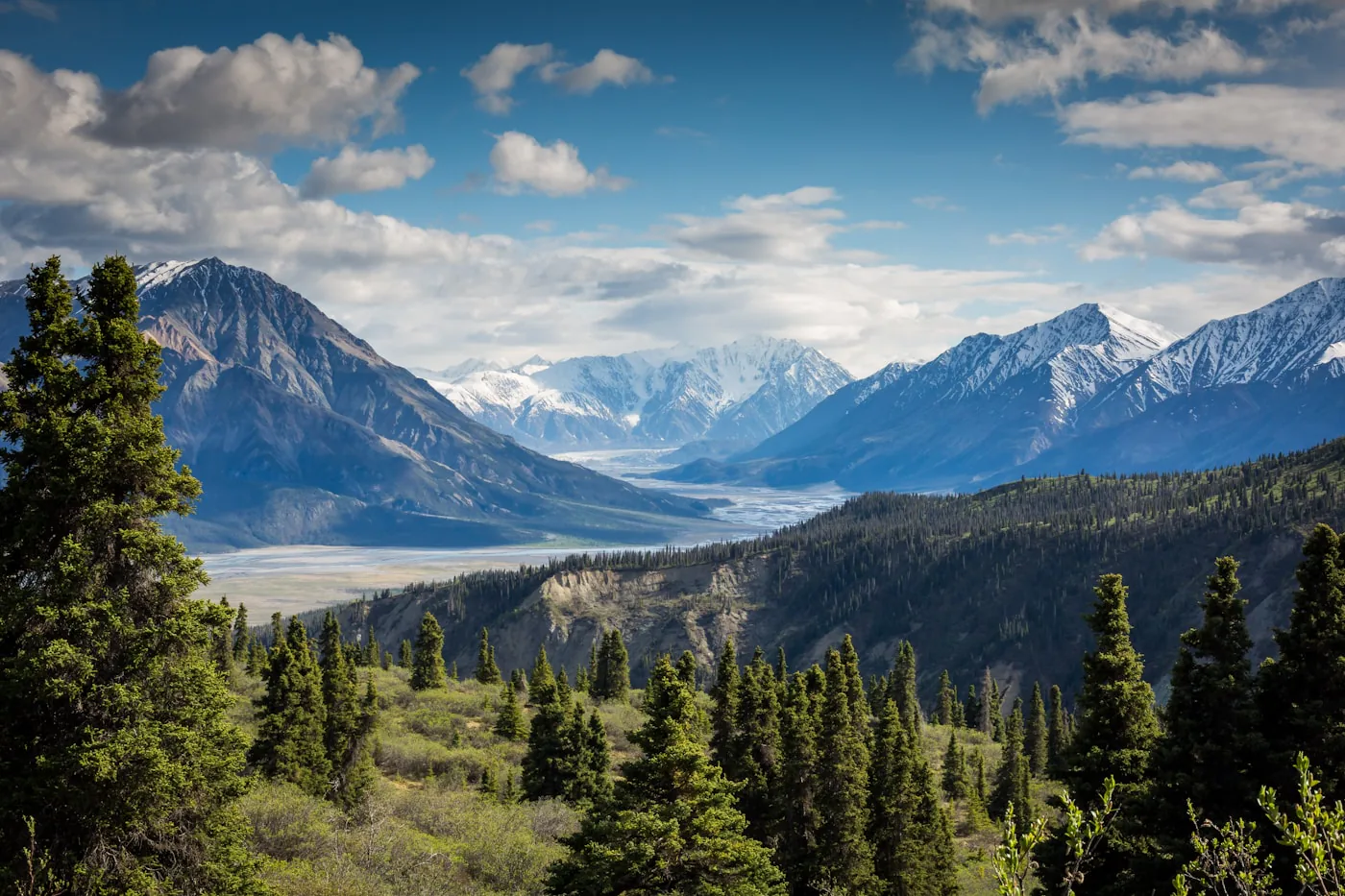
Setti Fatma is the final village accessible by paved road in the Ourika Valley, famous for its chain of seven mountain cascades. Most visitors aim for the first and largest waterfall, which tumbles into a cool rock basin roughly 35 minutes above the village. The footpath combines uneven stone steps, smooth boulders polished by water spray, and narrow wooden planks bridging trickling side streams.
Having a local Setti Fatma guide—already included in your €45/pp private excursion—makes this stretch genuinely enjoyable. Local guides know which wet stones stay slippery after spring rain, offer a steady hand on steeper steps, and introduce you to quieter viewpoints above the main splash pool where you can pause for freshly squeezed orange juice cooled in mountain stream water. Unless you are an experienced hiker wearing rugged trail boots, stopping at the first or second cascade delivers the best views without unnecessary scrambling.
Riverside Berber lunch and afternoon pace
Descending back to the valley floor brings one of Morocco’s most memorable dining rituals. Along the banks of the Ourika River, colourful woven rugs and low tables sit under woven reed shade—sometimes perched directly on gravel bars beside the rushing water. Your included Berber lunch features crisp Moroccan tomato-and-cucumber salad, slow-cooked clay-pot tagine (chicken with preserved lemon and olives, beef with prunes, or rich seasonal vegetables), warm rounds of freshly baked bread, and chilled mountain fruit.
There is no whistle blowing you back to a coach. Take twenty extra minutes over sweet mint tea, let children dip their toes in the chilly shallows during summer, and stroll back to your waiting vehicle when ready. Returning to Marrakech around 16:00 leaves ample time for a shower, a rooftop aperitif, or an evening stroll into Jemaa el-Fna.
What to pack and seasonal tips before you go
Mountain weather in the High Atlas shifts faster than down on the Marrakech plain. A small daypack covers every seasonal quirk:
- Gripped trainers or light hiking shoes for the rocky Setti Fatma footpath—avoid flip-flops or smooth leather loafers.
- A light fleece or windbreaker from October through April, as shaded river gorges feel brisk even on bright sunny mornings.
- Sunscreen, sunglasses, and a sun hat—mountain UV is noticeably stronger at 1,500 metres despite the cooler breeze.
- Small Moroccan dirham notes (10–50 MAD) if you fancy fresh stream-cooled orange juice, handmade pottery, or an optional tip for your waterfall guide.
- Confirm vegetarian, vegan, or gluten-free lunch preferences via our 24/7 WhatsApp team when booking so our riverside hosts prepare your tagine fresh.
Like all Eye on Morocco experiences, our private Ourika Valley day trip requires no upfront deposit—you pay on the day in EUR or MAD, with free cancellation right up to the exact day and round-the-clock WhatsApp assistance in five languages.
- Book the private Ourika Valley day trip (€45/pp)
- Explore the High Atlas destination guide
- Compare all Marrakech private tours
Frequently asked questions
The walk to the first main cascade takes roughly 30 to 40 minutes along a stepped, rocky mountain path with steady inclines and occasional stream crossings. Travellers with average mobility and closed trainers manage it comfortably with our local mountain guide, who sets a calm pace and knows the safest footholds. Higher cascades are steeper and entirely optional.
Your €45/pp rate covers a 100% private air-conditioned vehicle with driver, pickup and drop-off at your Marrakech hotel or closest riad gate, cultural stops along the valley, a licensed local waterfall guide in Setti Fatma, and a fresh riverside Berber lunch. You pay on the day with no upfront deposit and free cancellation up to the exact day.
Ourika works in every season. March to May brings almond blossoms, snow-capped High Atlas peaks, and strong waterfall flow. June to September offers welcome relief—often 8°C to 10°C cooler than central Marrakech—with shaded riverside dining. Autumn brings crisp golden light and harvest orchards, while winter offers clear skies and dramatic snow views.
Yes. Because the excursion is completely private, there is zero pressure to climb further than feels comfortable. Travellers who prefer not to tackle rocky steps can enjoy the scenic drive, artisan pottery studios, the argan cooperative, and a leisurely lunch beside the river while others hike up to the cascades.