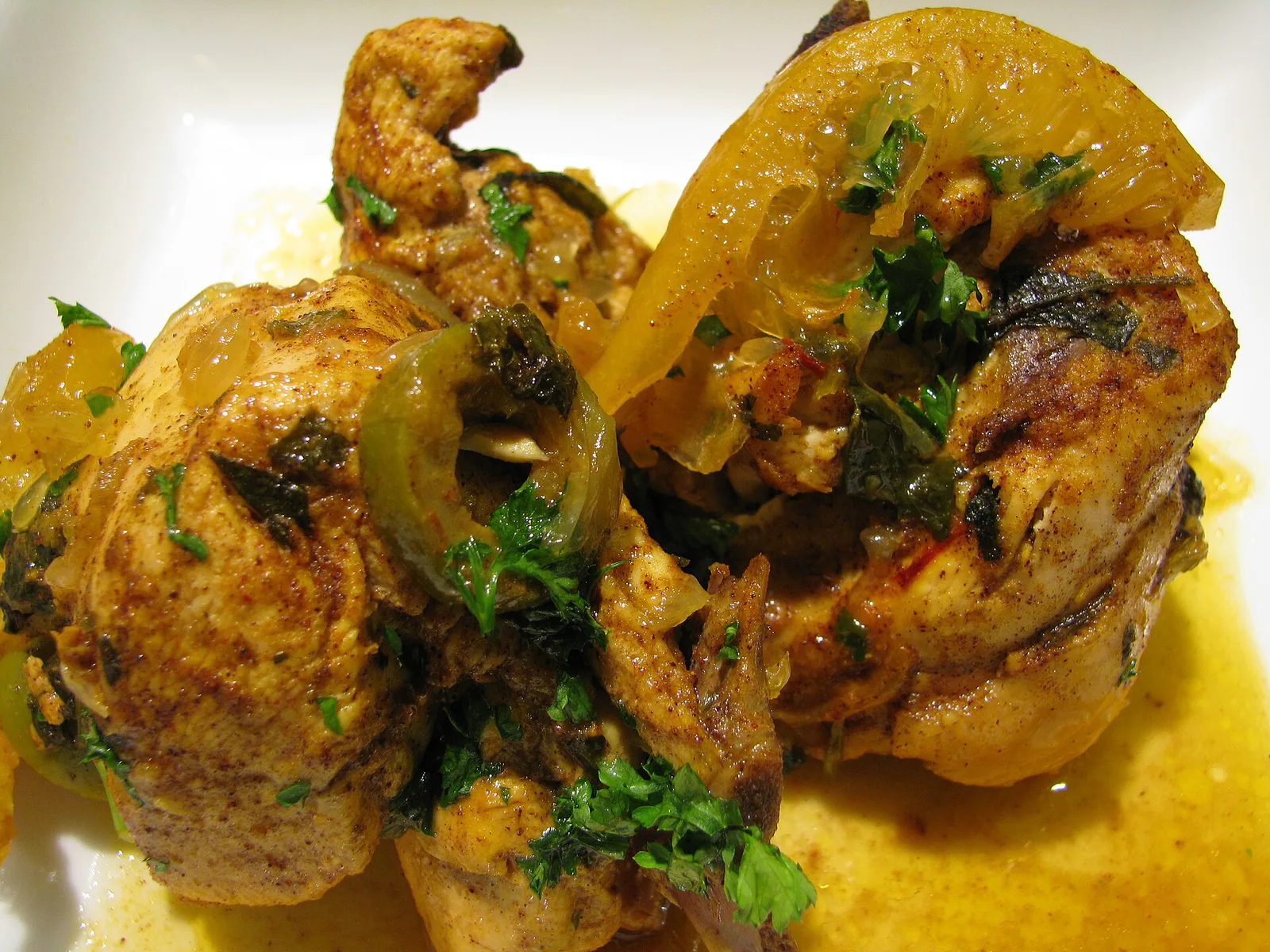
Our private 3-hour Moroccan Farm Cooking Class near Marrakech costs €39/pp, including hotel/riad pickup, garden herb harvest or fresh market ingredients, hands-on preparation of Moroccan salads and your chosen clay-pot tagine, traditional mint-tea brewing, and a full sit-down meal. Vegetarian, vegan, and gluten-free menus are easily adapted, with pay-on-the-day booking and free cancellation up to the exact day.
Before you even tie on an apron, a proper Marrakech farm cooking class greets you with the unmistakable perfume of woodsmoke, crushed coriander, roasted cumin, and sun-warmed orange blossom drifting across olive trees.
Why a countryside farm beats a crowded medina demonstration
Marrakech offers dozens of cooking classes, and they fall into two distinct worlds. Some take place inside cramped urban restaurant kitchens where twelve strangers huddle around one chef chopping onions while someone else handles the stove. You leave entertained, yet rarely confident enough to cook the dish yourself on a Tuesday evening back home.
Stepping twenty-five minutes outside the busy ramparts to a shaded Moroccan farm garden transforms the entire craft. In our 100% private 3-hour Farm Cooking Class (€39/pp, hotel/riad pickup included), the pace slows immediately. You harvest fresh flat-leaf parsley, mint, or seasonal produce straight from the beds, stand at your own prep table rather than fighting for elbow room, and cook directly over glowing charcoal braziers (majmar) under open sky.
The secret architecture of Moroccan flavour
Visitors often assume Moroccan cuisine relies on fiery chilli heat or mysterious secret blends. In reality, authentic home cooking is built on restraint, gentle layering, and four pantry pillars: freshly ground sweet spices, preserved Meyer lemons, nutty olive oil, and patient low heat.
Your host begins by breaking down the spice tray by sight and scent so you never buy stale packets again. You learn why ginger and turmeric form the golden backbone of savoury tagines, why cumin is added sparingly—or even kept on the table—so it never turns bitter over long simmering, and how a pinch of genuine Taliouine saffron blooms in warm water rather than scorching directly in oil. Tasting the difference between sweet paprika, cinnamon bark, and freshly pounded ras el hanout changes how you season food forever.
| Course | Signature dish | Key technique you learn |
|---|---|---|
| Welcome ritual | Atay (Moroccan mint tea) | Rinsing gunpowder green tea, balancing fresh spearmint and sugar, and aerating the pour. |
| Cooked salads | Zaalouk & Taktouka | Char-roasting aubergines, tomatoes, and green peppers with garlic, cumin, and fruity olive oil. |
| Main clay pot | Custom Tagine (chicken, beef, or seasonal veg) | Building an onion-oil base, layering aromatics, and sealing moisture inside a conical earthenware lid. |
| Traditional bread | Warm Khobz (artisan semolina flatbread) | Shaping dough and baking crisp-crusted rounds ideal for scooping tagine sauce without cutlery. |
| Sweet finish | Orange-cinnamon salad or seasonal fruit | Bright, light digestive pairing scented with real orange-blossom water (mazhar). |
Step-by-step: how your three hours at the farm unfold
Morning sessions (typically 09:30 pickup) are the most popular because the garden is cool and your finished feast doubles as a generous, unhurried lunch. Afternoon sessions work equally well if you spent the morning wandering Bahia Palace or the souks.
First comes the welcome glass of mint tea—your initial mini-lesson, since brewing Moroccan tea properly is an art of water temperature and timing rather than simply stuffing leaves into boiling water. Next, you prep your cooked salads while charcoal briquettes ash over to an even, steady glow. Then comes the centrepiece: arranging spiced chicken with preserved lemon and violet olives, tender beef with caramelised prunes and toasted almonds, or a vibrant pyramid of courgette, carrot, potato, and chickpea into your personal clay tagine.
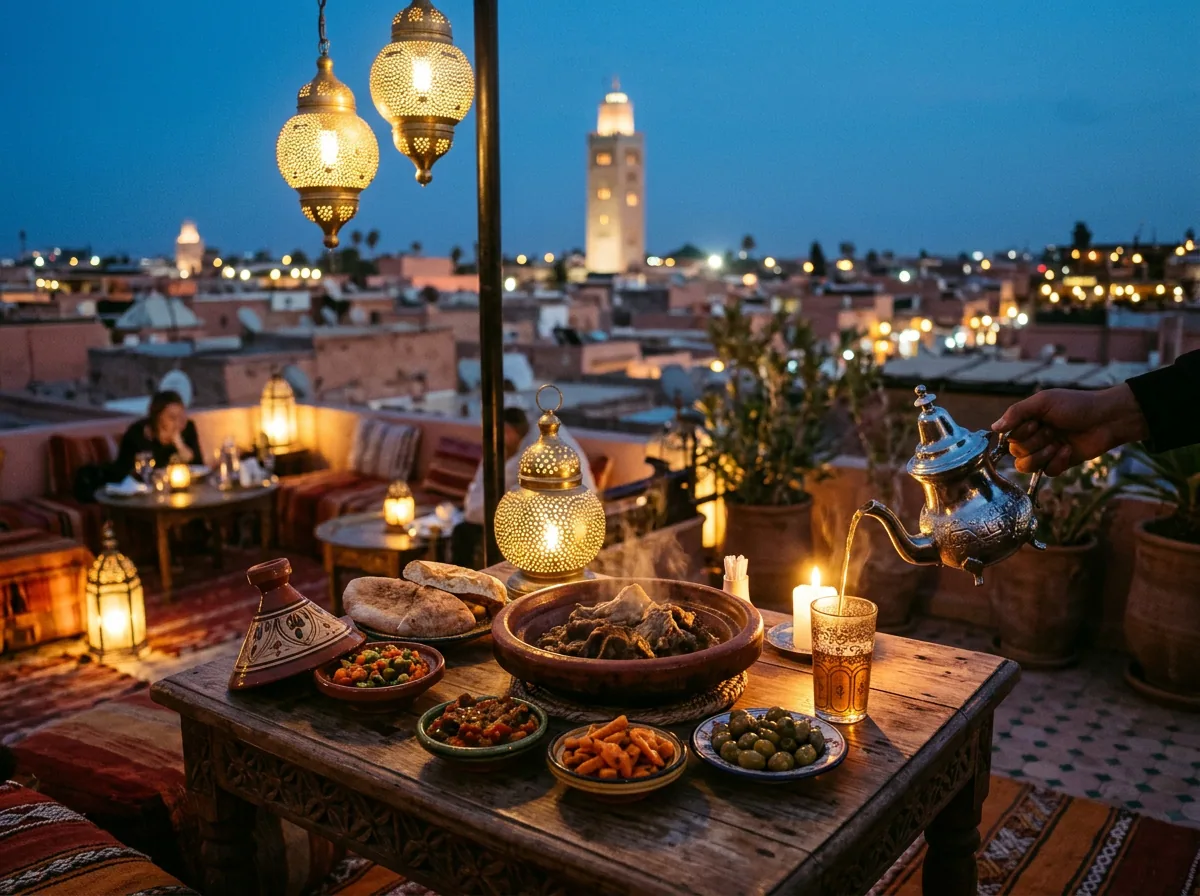
Why clay-pot slow cooking tastes different
While your tagine gently bubbles for forty-five minutes, you discover why the vessel’s conical chimney shape is culinary engineering genius. Steam rises from the simmering base, condenses along the cooler sloping clay walls, and trickles straight back down into the dish—allowing meat and vegetables to braise in their own spiced juices using almost no added water. No stirring, no scorching, and remarkably concentrated flavour.
Sitting down beneath shade trees to lift the steaming terracotta lid off a meal you built from scratch—tearing warm khobz bread to mop up golden saffron-ginger sauce—is routinely ranked by our travellers as their favourite three hours in Morocco.
Practical tips for food lovers planning a cooking class
A few simple notes help you get even more out of your morning at the farm:
- Eat only a light riad breakfast before a morning class: between cooked salads, fresh bread, tea, and your own bubbling tagine, you will feast generously.
- Take photos of spice quantities on your palm rather than guessing teaspoons—Moroccan home chefs measure visually and by aroma.
- If you plan to buy whole spices or preserved lemons in Rahba Kedima afterwards, take the cooking class first so you know exactly what fresh quality looks and smells like.
- Travelling with children? Kids adore kneading bread dough, picking garden mint, and assembling their own miniature vegetable tagines in a relaxed private setting.
- Pair a daytime farm cooking class (€39/pp, 3h) with our evening Medina Food Tour & Rooftop Dinner (€39/pp, 3h) on another night to experience both rural home kitchens and historic street food.
As with all Eye on Morocco experiences, our farm cooking class is 100% private, includes door-to-door pickup, requires no deposit (pay on the day in EUR or MAD), offers free cancellation up to the exact day, and comes with 24/7 WhatsApp support in five languages.
- Book the Moroccan Farm Cooking Class (€39/pp)
- Medina Food Tour & Rooftop Dinner (€39/pp)
- View all private Marrakech experiences
Frequently asked questions
Not at all. Our private farm cooking class (€39/pp, 3 hours) is designed for complete beginners and keen home cooks alike. Every step—from balancing spices and prepping preserved lemons to layering vegetables inside a clay tagine—is guided calmly at your own workstation.
Yes, Moroccan home cooking adapts effortlessly. Seasonal seven-vegetable tagines, smoky aubergine zaalouk, spiced carrot salads, and lentil dishes are naturally plant-based and gluten-free. Simply share your preferences via WhatsApp when reserving so fresh produce is ready on arrival.
Yes. While cooking over glowing charcoal in a conical earthenware tagine adds subtle earthy aroma, your chef teaches you the exact flavour base—chermoula marinade, slow onion caramelisation, and gentle steaming—that translates directly into a heavy cast-iron Dutch oven or lidded casserole dish back home.
A farm cooking class (€39/pp, 3h) is daytime, hands-on, and set in peaceful countryside gardens where you cook your own lunch from scratch. Our evening Medina Food Tour & Rooftop Dinner (€39/pp, 3h) takes you walking through historic alleyways to sample street delicacies like tangia, msemen, and pastries made by master artisans. Many food lovers happily do both.